The Body Doesn't Fail One Piece at a Time
Network and systems medicine studies disease as an interconnected system — genes, proteins, cells, organs — rather than damage to a single isolated part. A disease is rarely one broken gene; it's a disruption spreading across a cluster of connected components, what researchers call a disease module. This mechanism-based approach maps that disrupted module to find better diagnostics, drug targets, and treatments.
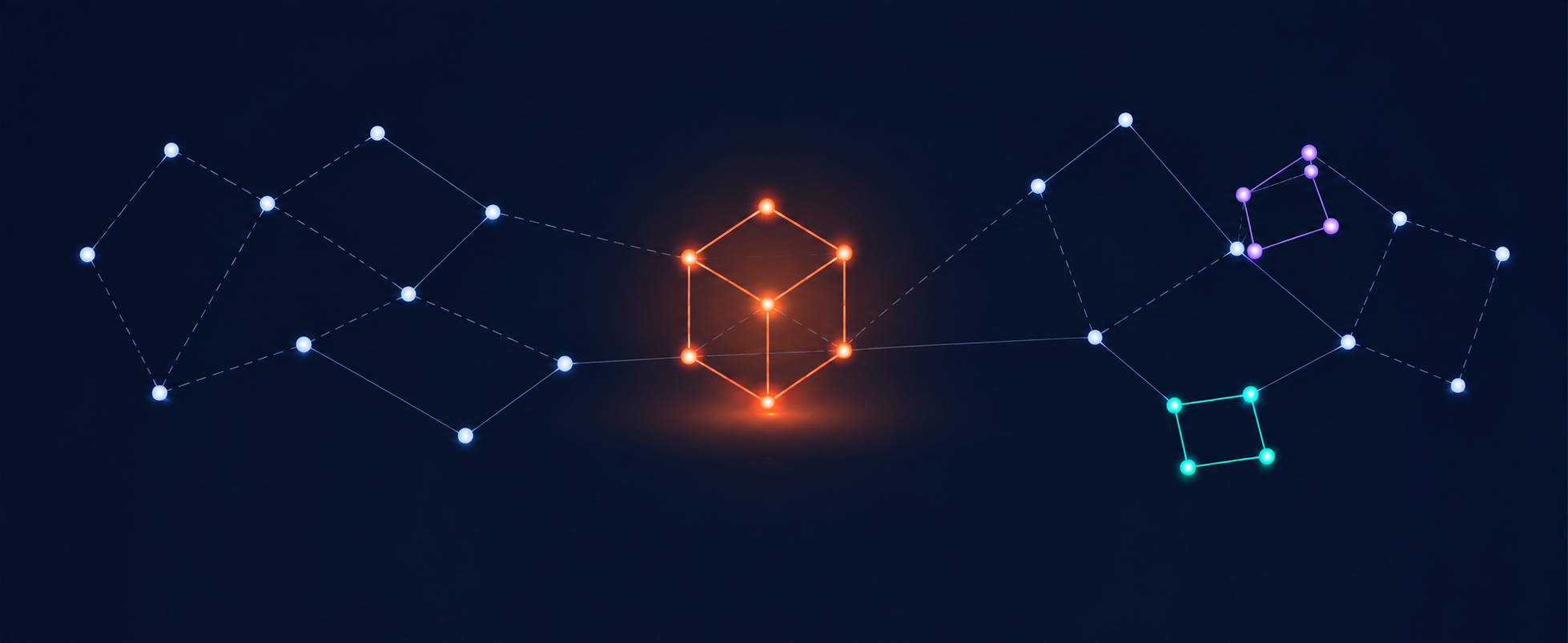
A cancer mutation rarely acts alone — it reshapes an entire signaling network, which is why oncologists now hunt for network hubs, not just the first mutation found.
A virus hijacks specific host proteins at the center of our cellular machinery, which is why mapping those host-pathogen networks speeds drug repurposing during outbreaks.
Autoimmune diseases that look unrelated — rheumatoid arthritis, lupus, psoriasis — often share the same inflammatory networks, which is exactly why a drug for one so often treats another.
The old model — one gene, one disease, one drug — is running out of road: two patients with an identical diagnosis can carry entirely different disease modules, so one size does not fit all.
The result is a new kind of physician and biomedical scientist: one as fluent in systems principles as in data.
Albert-László Barabási and Joseph Loscalzo helped establish network medicine as a field with their 2011 review in Nature Reviews Genetics, showing that disease reflects disruption across networks of molecular interactions — not one failed gene. That paper introduced the disease module; their 2017 textbook, Network Medicine: Complex Systems in Human Disease and Therapeutics (Harvard University Press), remains foundational.
Harald Schmidt, professor of pharmacology at Maastricht University, pushes the field toward the clinic: define disease by its causal mechanism, not its symptoms. His 2022 review in Trends in Pharmacological Sciences shows how network pharmacology — combining existing drugs against the several targets driving a disease — can replace slow, expensive drug discovery.
- Barabási, A.-L., Gulbahce, N. & Loscalzo, J. "Network Medicine: A Network-Based Approach to Human Disease." Nature Reviews Genetics, 12, 56–68 (2011).
- Loscalzo, J., Barabási, A.-L. & Silverman, E.K. (eds.) Network Medicine: Complex Systems in Human Disease and Therapeutics. Harvard University Press (2017).
- Nogales, C., Mamdouh, Z.M., List, M., Kiel, C., Casas, A.I. & Schmidt, H.H.H.W. "Network Pharmacology: Curing Causal Mechanisms Instead of Treating Symptoms." Trends in Pharmacological Sciences, 43(2), 136–150 (2022).
One Way of Thinking, Six Diseases to Apply It To
Every student chooses one research area, takes a course built specifically for it, and spends the summer doing real, mentored research inside it.

Cancer Systems Medicine
Cancer isn't one broken gene — it's a signaling network that stopped regulating itself.

Precision & Genomic Medicine
Two patients, same diagnosis, different biology — find out which treatment actually fits which patient.
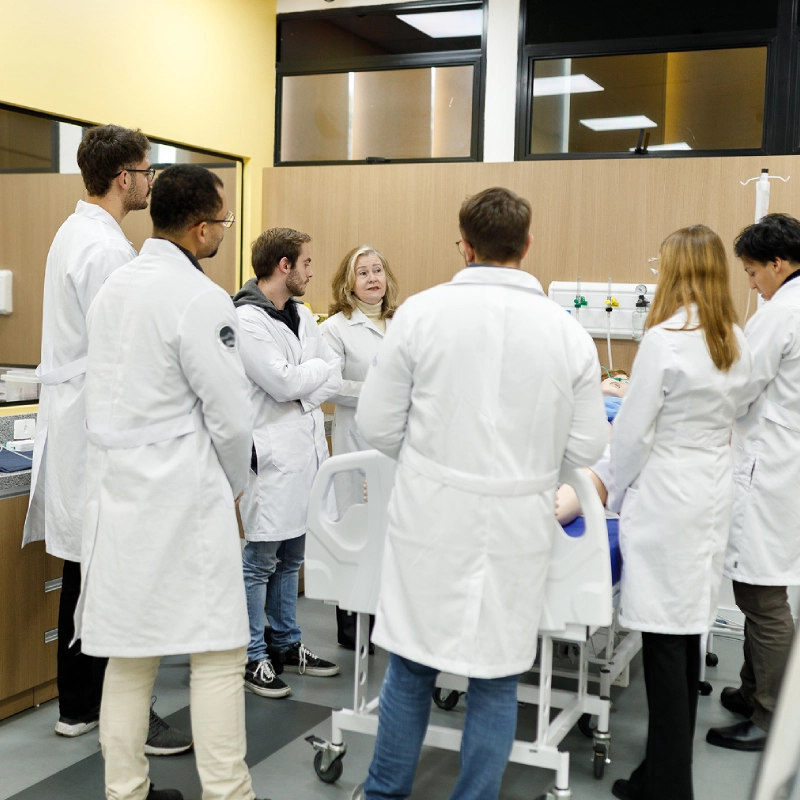
Drug Discovery & Repurposing
Somewhere on a pharmacy shelf might be a cure no one's looked for yet.
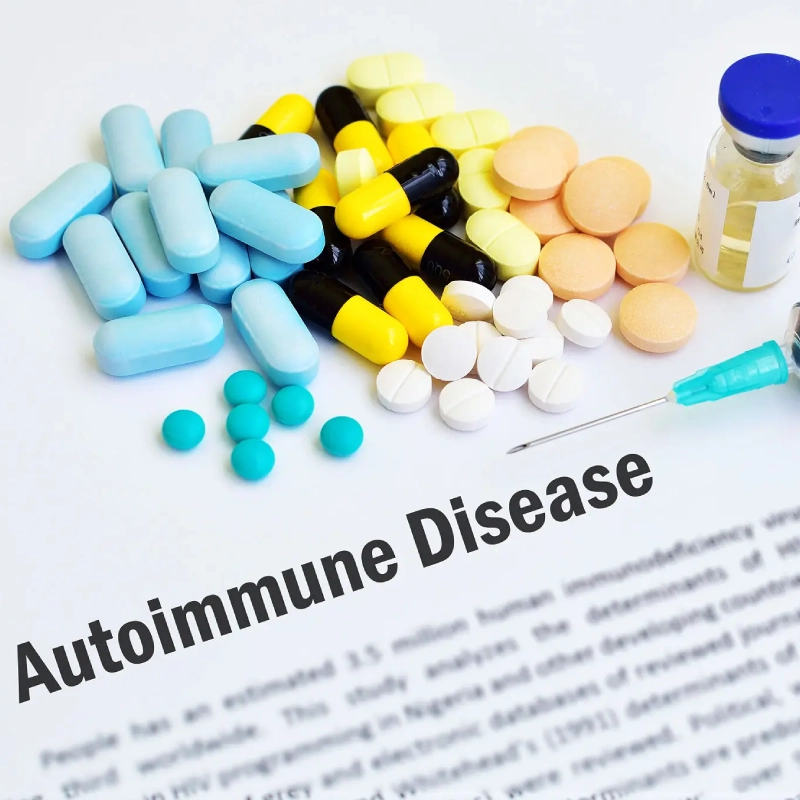
Autoimmune & Immune-Mediated Disease
When the body's own defense network turns against itself.

Rare & Undiagnosed Disease
Sometimes the whole world's patient population fits in one room — research has to work differently.

Infectious Disease & Host-Pathogen Networks
One pathogen, two networks — the cell it invades, and the people it spreads between.